
Posted At: 17-Nov-2025 - 944 Views
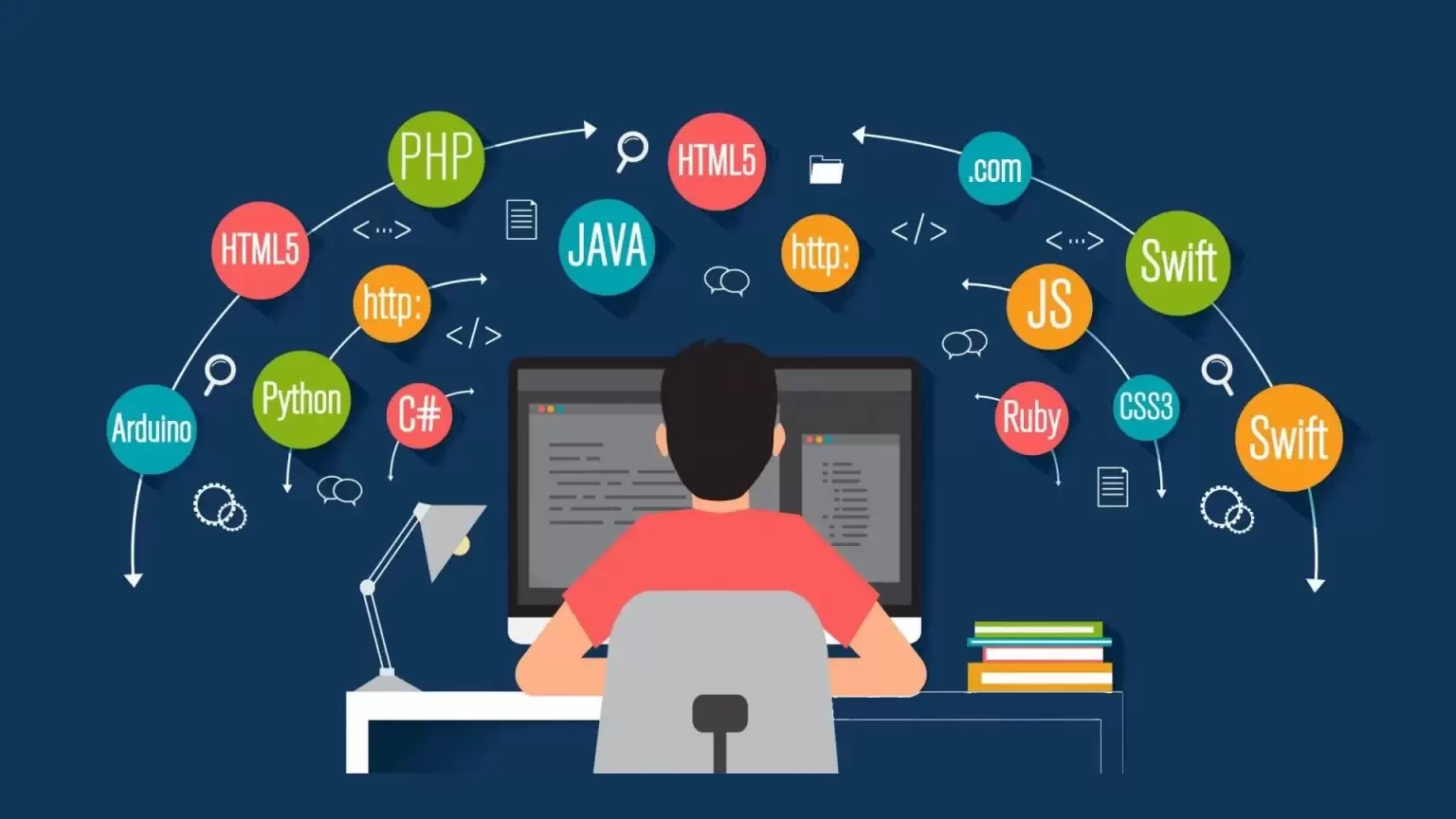
In the fast-moving digital world, every business wants reliable technology that supports growth, improves customer experience, and drives smooth operations. One of the biggest decisions in this journey is selecting the right technology stack for your B2B web or mobile app. This choice shapes your app’s speed, security, integration flexibility, and long-term scalability.
This guide walks you through the essential factors to consider, along with popular tech stack options that help B2B companies build strong and future-ready applications.
Start With Your Business Requirements
Before choosing any technology, understand what your business and users need. Clear planning at this stage saves time, cost, and future rework.
Know Your Users
Identify your users’ expectations. Study their daily challenges, preferred features, and the type of experience they want.
List Core Features
Understand what your app must deliver.
Ask yourself:
– Does your app need real-time data?
– Will it integrate with CRMs, ERPs, or third-party systems?
– Do you need advanced analytics or automation?
Plan for Scalability
Your app should grow with your business. Choose technologies that allow easy expansion—more users, more data, more features—without performance issues.
Evaluate Your Development Resources
Your internal capabilities play a major role in picking the right stack.
Team Skillset
Choose technologies your team is confident in. A familiar stack speeds up development and reduces errors.
Budget
Different tools come with different costs. Some are open-source and free, while others require licenses or paid infrastructure.
Timeline
Some stacks offer rapid development and ready-to-use components. Others require more time but offer high performance or flexibility.
Key Factors to Consider in Your Technology Stack
1. Application Type
Web and mobile apps have different needs.
– Web apps may benefit from React, Angular, or Vue.
– Mobile apps may require Swift, Kotlin, or cross-platform tools like React Native or Flutter.
2. Performance
If your app handles heavy traffic or large data loads, choose performance-focused technologies like Go, Rust, or Node.js.
3. Security
B2B apps handle sensitive business data.
Secure frameworks like Django and Ruby on Rails offer built-in protection against common threats.
4. Integration Capabilities
Your app must connect smoothly with business tools—CRM, ERP, invoicing systems, or analytics platforms.
Choose a stack known for API-friendly development.
5. Community & Support
A strong developer community ensures easy troubleshooting, better resources, and long-term support.
6. Cloud Compatibility
Modern B2B apps rely heavily on cloud platforms.
Choose stacks that integrate well with AWS, Azure, or Google Cloud for scalable hosting, faster deployments, and better performance.
Popular Technology Stacks for B2B Applications
1. LAMP Stack (Linux, Apache, MySQL, PHP)
A stable and cost-effective stack ideal for traditional B2B applications.
Pros: Affordable, reliable, easy to maintain
Cons: Not ideal for high-concurrency applications
2. MEAN Stack (MongoDB, Express.js, Angular, Node.js)
Perfect for real-time, dynamic applications.
Pros: Full JavaScript stack, faster development, scalable
Cons: Requires deep JavaScript knowledge
3. .NET Stack
A Microsoft-powered ecosystem built for enterprise-grade systems.
Pros: Strong enterprise support, smooth Microsoft integrations
Cons: Can be more expensive and requires Windows hosting in some cases
4. Django (Python)
Great for secure and data-driven applications.
Pros: Strong security, fast development, excellent admin panel
Cons: May be heavy for simple apps
5. Ruby on Rails
A flexible framework known for rapid development.
Pros: Fast prototyping, clean structure, strong community
Cons: Not ideal for extremely high-load systems
Making the Final Choice
Once you understand your needs and explore the options, involve your development team in the final decision. A small prototype or proof-of-concept can help test performance, security, and scalability before full development.
Conclusion
Selecting the right technology stack is one of the most important steps in building a reliable B2B web or mobile app. When you clearly define your goals, assess your resources, and evaluate security, scalability, and integration needs, you can choose a stack that supports long-term business success. The right technology becomes the foundation that helps your app grow, adapt, and deliver real value to your users.